For fashion brands, packaging is an important part of the customer journey. A clothing order does not simply need to arrive safely; it should also reflect the quality, personality, and values of the brand behind it. As ecommerce continues to shape the apparel industry, businesses are paying greater attention to packaging that combines practical shipping performance with attractive presentation.

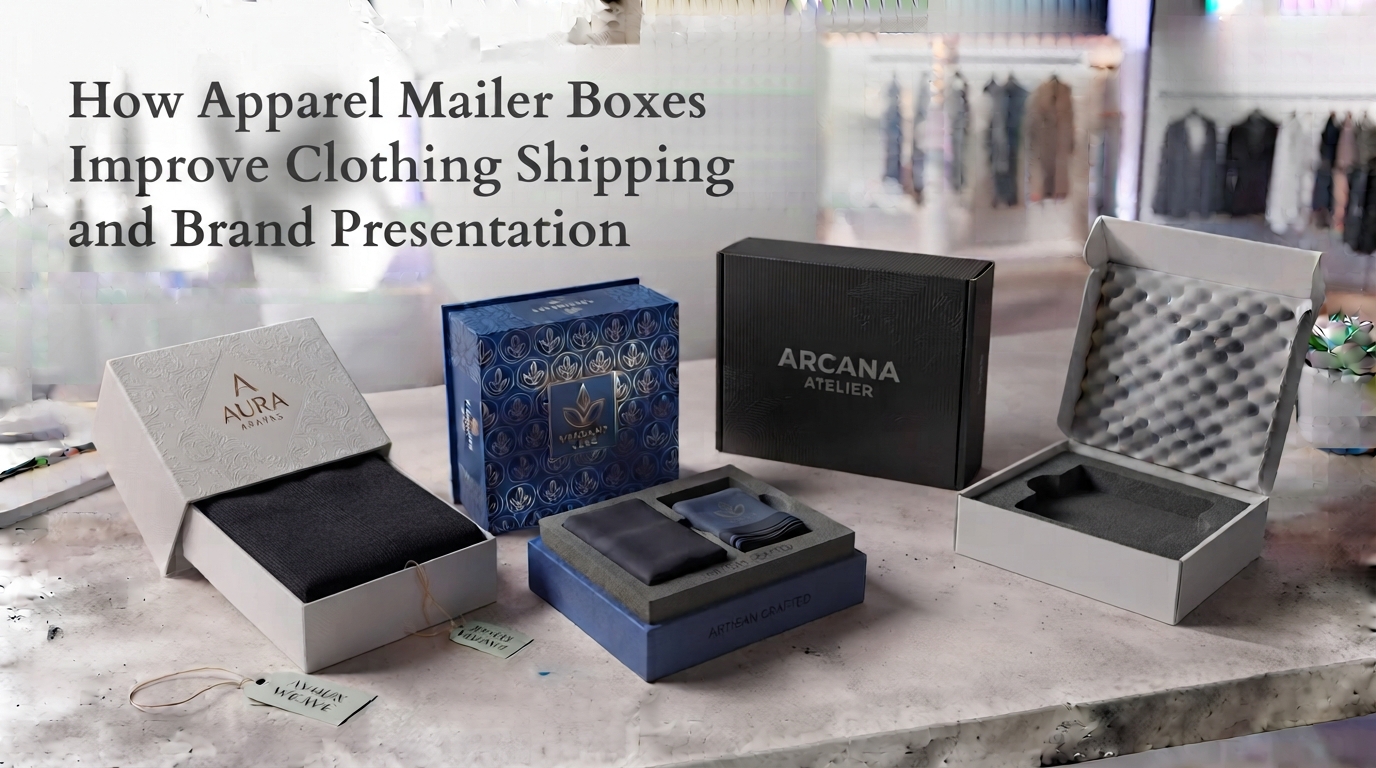
Mailer-style packaging can be especially useful for clothing companies because it provides a convenient format for preparing products for delivery. When designed around the product, apparel mailer boxes can help create an organized package while giving brands space to showcase their visual identity.
From independent fashion labels to established clothing retailers, businesses can use packaging to create a more consistent experience from fulfillment to unboxing.
Why Apparel Packaging Matters in Ecommerce
Online customers experience a brand differently from shoppers visiting a physical store. They may discover a product through a website or social media, place an order online, and only interact physically with the brand when their package arrives.
That makes the delivery experience particularly important.
Well-planned Custom Boxes USA can help apparel businesses address several packaging needs at once, including product organization, branding, shipping convenience, and customer presentation.
Packaging can contribute to:
- Product protection
- Brand recognition
- A cleaner unboxing experience
- Easier order fulfillment
- Professional presentation
- More consistent customer experiences
The goal is not simply to make a package attractive. It should also be appropriate for the product and the way it will be handled throughout fulfillment and delivery.
What Makes Mailer Boxes Useful for Clothing?
Traditional packaging may require separate components for the box and closure. Mailer-style structures can provide an integrated format that is convenient for packing and closing apparel orders.
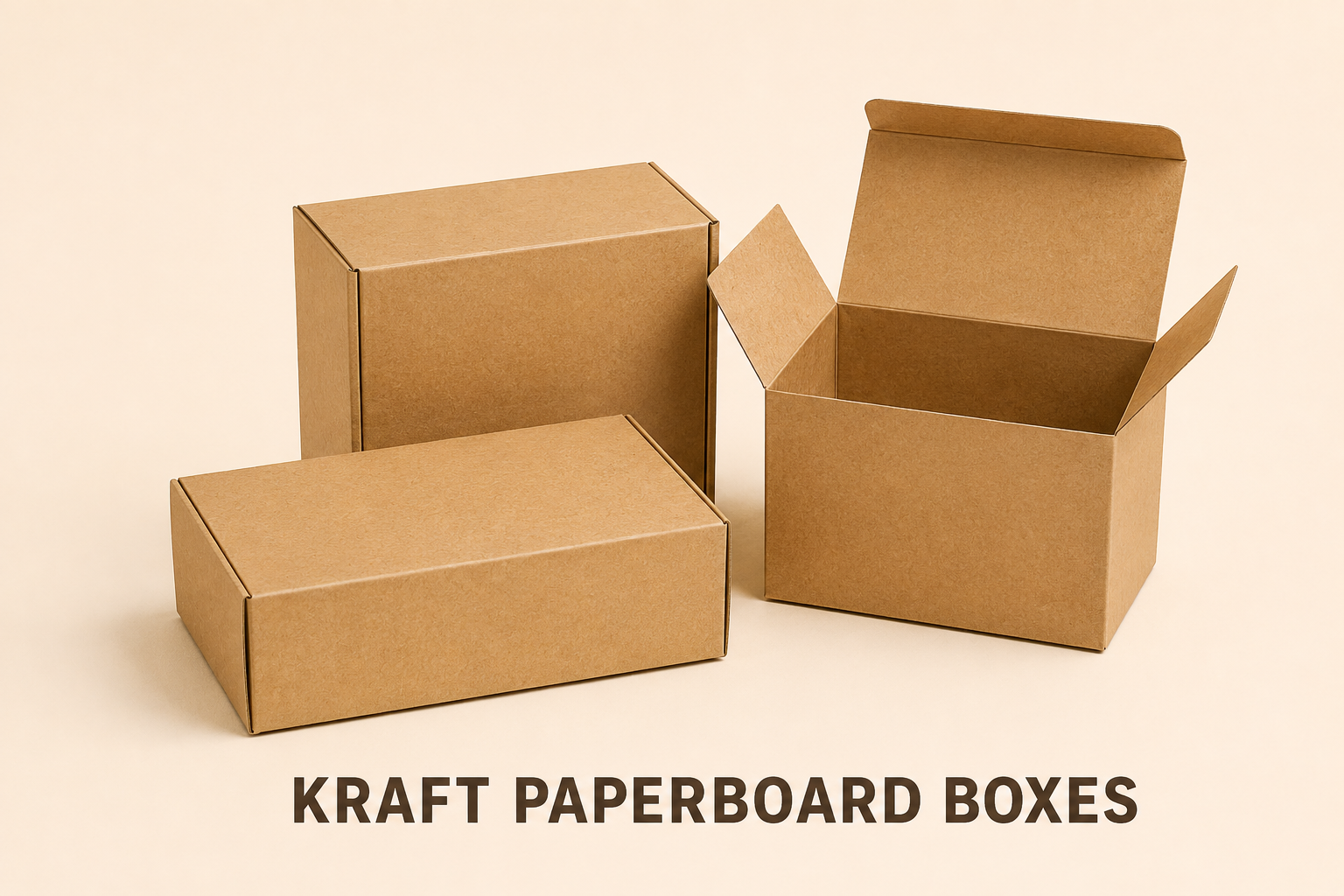
custom apparel mailer boxes can be developed around the dimensions and presentation requirements of different clothing products.
They can be useful for products such as:
- Shirts
- T-shirts
- Dresses
- Sweaters
- Scarves
- Boutique clothing
- Fashion accessories
- Folded garments
The appropriate size depends on the product and how it will be folded or arranged inside the package.
Choosing the Right Size
Size is one of the most important factors when developing apparel packaging.
A clothing box should provide enough room for the garment without leaving excessive unused space. Businesses should measure the product after it has been folded in the intended shipping configuration.
They should also account for additional elements such as:
- Tissue paper
- Thank-you cards
- Product cards
- Promotional inserts
- Care instructions
- Small accessories
An oversized package can increase empty space and may require additional packing materials. A box that is too small may compress the garment or make fulfillment difficult.
A product-first approach generally provides a better starting point.
Building a Strong Brand Identity Through Packaging
Clothing packaging can become an extension of a fashion brand’s identity.
Colors, typography, logos, patterns, and messaging can all contribute to a recognizable appearance. Brands can carry elements from their website, labels, shopping bags, and social media into the packaging design.
For example, a minimalist clothing label may prefer a clean design with limited graphics, while a streetwear company might use bold typography and distinctive artwork.
Consistency is often more important than complexity.
When customers repeatedly see similar visual elements across different brand touchpoints, packaging can become part of the overall identity.
Creating a Better Unboxing Experience
The unboxing experience does not have to be elaborate to be memorable.
A simple sequence can work effectively:
- The customer receives the package.
- The branded exterior creates the first impression.
- The box opens easily.
- The garment is presented neatly.
- Inserts or cards provide useful information.
- The customer removes the product.
Every step should have a purpose.
For apparel brands, the garment itself should remain the focus. Packaging elements should support the product rather than make the experience unnecessarily complicated.
Apparel Mailer Boxes for Different Fashion Brands
Not every fashion company has the same packaging requirements.
A small boutique may ship individual clothing orders, while a larger retailer may fulfill a wide range of products and quantities. A premium fashion label may prioritize presentation, whereas a budget-focused apparel business may focus more heavily on efficient fulfillment and shipping.
This is where customization can be useful.
Packaging can be planned around:
- Product dimensions
- Order quantity
- Shipping method
- Brand requirements
- Presentation goals
- Storage limitations
- Budget
A flexible packaging strategy allows businesses to address these different priorities without relying entirely on one generic box size.
Printing Options for Clothing Packaging
The exterior of a mailer box provides valuable branding space.
Businesses can use the surface for:
- Logos
- Brand names
- Patterns
- Taglines
- Product messages
- Website information
- Social media details
Interior printing can also be considered when the brand wants the opening experience to feel more distinctive.
A well-planned design should establish a clear visual hierarchy. The logo or brand name should be easy to identify, while secondary graphics should complement rather than compete with it.
Finishing Details Can Elevate the Package
Depending on the desired appearance, brands may consider additional finishing techniques.
Possible options include:
- Matte coating
- Gloss coating
- Soft-touch finishes
- Foil details
- Embossing
- Debossing
- Spot UV
These features can be used selectively to emphasize particular elements of the design.
For example, a subtle foil logo may provide a premium detail without requiring the entire package to use decorative effects.
The right finishing combination depends on the brand style, product positioning, and budget.
Protecting Clothing During Shipping
Apparel generally does not require the same protective structure as fragile products, but shipping conditions still matter.
Packages may be exposed to handling, stacking, movement, and changes in transportation conditions.
Brands should consider how the garment will be packed before selecting the final box dimensions and structure.
Tissue paper or other internal packaging can help keep clothing neatly arranged. Additional outer shipping protection may also be considered depending on the delivery method and packaging specifications.
The objective is to create a package that reaches the customer in an appropriate condition without unnecessarily increasing material use.
Combining Presentation With Practical Fulfillment
Packaging should work for both the customer and the fulfillment team.
A box that looks attractive but takes too long to assemble may create operational challenges for businesses processing many orders.
Mailer packaging can provide a practical format for clothing fulfillment because the structure can be designed around the packing process.
Before finalizing packaging, businesses can evaluate:
- How quickly the box can be assembled
- How easily garments can be placed inside
- Whether closure is straightforward
- How much storage space flat packaging requires
- Whether the package works with existing fulfillment processes
These considerations can be particularly important for growing ecommerce businesses.
Sustainable Considerations for Apparel Packaging
Sustainability has become an increasingly important packaging consideration for consumers and businesses.
Fashion brands can evaluate material choices, packaging size, unnecessary components, and the overall lifecycle of the package.
Reducing excessive empty space can be useful from both a practical and material-efficiency perspective. Brands can also explore recyclable or responsibly sourced materials where appropriate for their packaging requirements.
Sustainable packaging should still provide the required protection and presentation. The objective is to find a balance between environmental considerations, product needs, and operational practicality.
Packaging for Boutique and Luxury Apparel
Premium fashion brands often use packaging to reinforce the perceived value of their products.
A carefully designed package can create a stronger transition between receiving the order and discovering the garment.
For boutique and luxury brands, details such as:
- High-quality printing
- Refined typography
- Premium finishes
- Custom tissue paper
- Branded inserts
- Carefully selected materials
can help create a more cohesive presentation.
However, luxury packaging does not necessarily mean adding every available feature. A restrained design can often communicate sophistication more effectively.
Common Apparel Packaging Mistakes
Using One Size for Every Product
Different garments may require different dimensions. Forcing every item into the same package can create unnecessary empty space or packing problems.
Ignoring the Fulfillment Process
Packaging should be practical for the team responsible for preparing orders.
Overloading the Design
Too many graphics, messages, and decorative details can make the package difficult to read.
Forgetting the Customer Experience
Packaging should be easy to open and should present the garment neatly.
Choosing Materials Without Considering Shipping
The package needs to be appropriate for the conditions it will encounter during transportation.
A Simple Apparel Packaging Checklist
Before placing a packaging order, apparel businesses can review the following:
- Measure the folded garment.
- Determine the required box dimensions.
- Consider tissue and inserts.
- Evaluate shipping conditions.
- Choose appropriate materials.
- Develop the branding artwork.
- Decide whether interior printing is needed.
- Select practical finishing options.
- Test the packing process.
- Review storage and fulfillment requirements.
Testing a sample before moving into larger production can also help identify structural or presentation issues.
Why Custom Apparel Packaging Can Strengthen a Brand
Packaging is one of the few physical brand experiences that reaches nearly every ecommerce customer.
A thoughtfully designed package can reinforce the identity customers already see online while creating a more polished delivery experience.
For clothing businesses, custom shipping boxes for clothing can be part of a broader packaging strategy that considers both presentation and transportation.
The strongest packaging solutions are not necessarily the most complicated. They are the ones that match the product, brand, customer, and fulfillment process.
Frequently Asked Questions
1. What are apparel mailer boxes used for?
Apparel mailer boxes are commonly used to package and ship clothing and fashion products. They can provide a practical customer-facing format for ecommerce orders.
2. Can apparel mailer boxes be customized with a logo?
Yes. Depending on the packaging specification, brands can customize boxes with logos, colors, artwork, patterns, and other branding elements.
3. How should I choose the size of a clothing mailer box?
Start by measuring the garment after it has been folded in the intended packaging arrangement. Then account for tissue paper, inserts, accessories, and other components.
4. Are mailer boxes suitable for premium clothing brands?
Yes. Premium clothing brands can customize the structure, artwork, materials, and finishing details to create a more elevated presentation.
5. Can apparel mailer boxes be used for ecommerce shipping?
Yes. They can serve as customer-facing shipping packaging for clothing orders. The final packaging approach should take the product and transportation requirements into account.
Conclusion
For modern apparel brands, packaging is both a practical shipping component and an opportunity to strengthen the customer experience.
Custom apparel mailer boxes can help businesses create a package that fits their products, supports their fulfillment process, and communicates their visual identity. From clothing boutiques to growing ecommerce brands, thoughtful packaging can make the delivery experience feel more professional and consistent.
The best results come from starting with the garment itself, selecting suitable dimensions and materials, and then building the branding and presentation around those practical requirements.
When packaging works smoothly for the business and feels intentional to the customer, it becomes a valuable part of the apparel brand experience.